Understanding Radon and Groundwater in York: What Homeowners Need to Know
@radongroundwateryorkdeck
October 18, 2026 · 8 min read
When I bought my first house in York County, Pennsylvania, I did what most people do: I hired a home inspector, checked the roof, and made sure the furnace worked. What I did not do was test the well water for radon. That oversight could have been a serious mistake, and it is one I see many homeowners repeat today.
Radon is a radioactive gas that comes from the natural decay of uranium in soil and rock. In York County, the underlying geology is dominated by granite bedrock and other igneous formations that contain higher-than-average levels of uranium. As uranium decays, radon gas is released. That gas can seep into your home through cracks in the foundation, but it can also dissolve into groundwater and travel into your home through every tap, shower, and washing machine. That second pathway is what makes the topic of radon and groundwater in York so important for local homeowners and renters.
Why Groundwater Matters for Radon Exposure
Most discussions about radon focus on indoor air quality, and for good reason. The EPA radon map shows York County in Zone 1, meaning the average indoor radon level is predicted to be higher than four picocuries per liter of air, the threshold at which the EPA recommends mitigation. But what many people do not realize is that radon in water can be a major contributor to that indoor radon level. When you run a shower, wash dishes, or flush a toilet, dissolved radon gas escapes from the water and mixes with the air you breathe.
For homes connected to a municipal water supply, this is rarely a concern. Public water systems are required to treat water for radon. But for the thousands of homes in York County that rely on private wells, the risk is real and often overlooked. If you own a home with a water well, the radon that enters your house through the water can increase your overall radon exposure by a significant margin. This is not a problem that will show up on a standard home inspection. It requires specific radon testing of both air and water.
I have spoken with homeowners who spent years worrying about the radon in their basement, only to discover that the real source of their high indoor readings was the water coming out of their kitchen faucet. That discovery often comes as a surprise, but it does not have to. Understanding the connection between radon and groundwater in York is the first step toward protecting your family.
How Radon Gets into Groundwater
Radon forms when uranium in the ground decays. In York County, the granite bedrock that underlies much of the region contains enough uranium to produce measurable amounts of radon. As groundwater moves through fractures and pores in this bedrock, it picks up the radon gas. The deeper the well, the more contact the water has with the rock, and the higher the radon concentration tends to be.
There is no way to predict radon levels in a private well without testing. Some wells in the same neighborhood can show radically different results, depending on the exact path the water takes underground. I have seen cases where one neighbor had safe levels and the other had readings ten times the EPA recommended limit. That is why relying on a neighbor's test results is not enough. Each well has its own story.
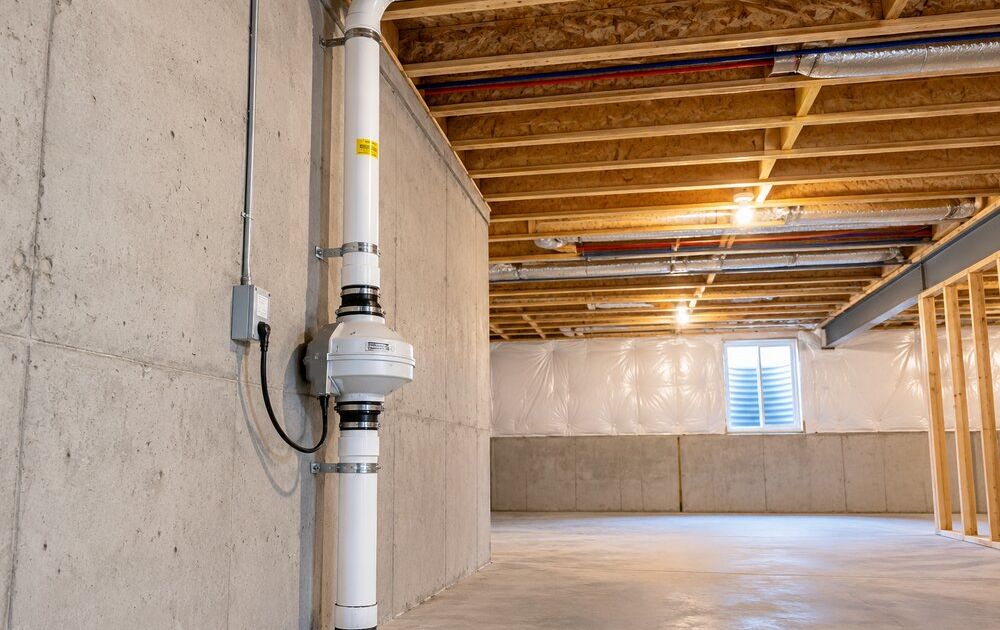
The University of York and Penn State Extension have both conducted research on radon in Pennsylvania groundwater. Their data show that radon levels in private wells across the state vary widely, but areas underlain by granite bedrock, including much of York County, tend to have elevated concentrations. If you live in a part of the county where homes are served by private wells, you should assume radon could be present until a test proves otherwise.
Testing Is the Only Way to Know
Radon testing for water is not expensive and it is not complicated. You can buy a test kit from a laboratory, collect a sample from your well, and mail it in. The lab will return a result measured in picocuries per liter of water. The EPA has set a recommended maximum of 4,000 picocuries per liter for radon in water, but it also notes that any level above 300 picocuries per liter contributes to indoor air radon. Many experts recommend treatment if levels go above that lower threshold, especially in homes where people spend a lot of time.
When I helped a friend test her well in southern York County, the result came back at 8,500 picocuries per liter. That is more than double the EPA's water guideline. She had been living in that house for ten years, drinking the water and breathing the radon that off-gassed in her shower every day. She had no idea. A simple test would have told her years earlier.
If you are buying a home with a private well, I strongly recommend including radon in water in your home inspection contingency. A standard home inspection will not cover this. You need to request a separate radon test from a certified laboratory. Many real estate transactions in York County now include this as a standard step, but it is not yet universal. If you are a seller, having a recent test result can speed up the process and avoid surprises at closing.
Treatment Options for Radon in Water
If your test shows elevated radon, do not panic. There are proven radon mitigation methods that work well for private wells. The two most common are aeration systems and activated carbon filters.
Aeration systems work by spraying the water into a tank and venting the radon gas outside. They are highly effective, often removing more than 99 percent of the radon. The downside is that they require space, maintenance, and a way to expel the gas safely. Installation is best left to a professional certified in radon mitigation.
Activated carbon filters, also called carbon filtration systems, use granular activated carbon to absorb the radon as water passes through. They are less expensive than aeration systems and easier to install. However, they have a limited lifespan. Once the carbon becomes saturated, it can release radon back into the water, and the filter itself becomes a radioactive waste product that must be disposed of properly. For moderate radon levels, carbon filtration can be a good option. For very high levels, aeration is usually the better choice.
Both of these are point-of-entry treatment systems, meaning they treat all the water coming into the house. That is important because radon can escape from any water use, not just the kitchen sink. A point-of-entry system protects the whole home.
I have seen homeowners try to save money by using a small under-sink filter for drinking water only. That approach does not address the radon that escapes during showering or laundry, and it leaves the family at risk. Full point-of-entry treatment is the only way to reduce the health risk effectively.
The Health Risk Is Real
Radon is the second leading cause of lung cancer in the United States, after smoking. The risk comes from breathing the gas, not from drinking it. When radon decays, it releases alpha particles that can damage the cells lining your lungs. Over years of exposure, that damage can lead to cancer. The EPA estimates that about 21,000 lung cancer deaths per year in the U.S. are attributable to radon. For people who also smoke, the combined risk is far greater.
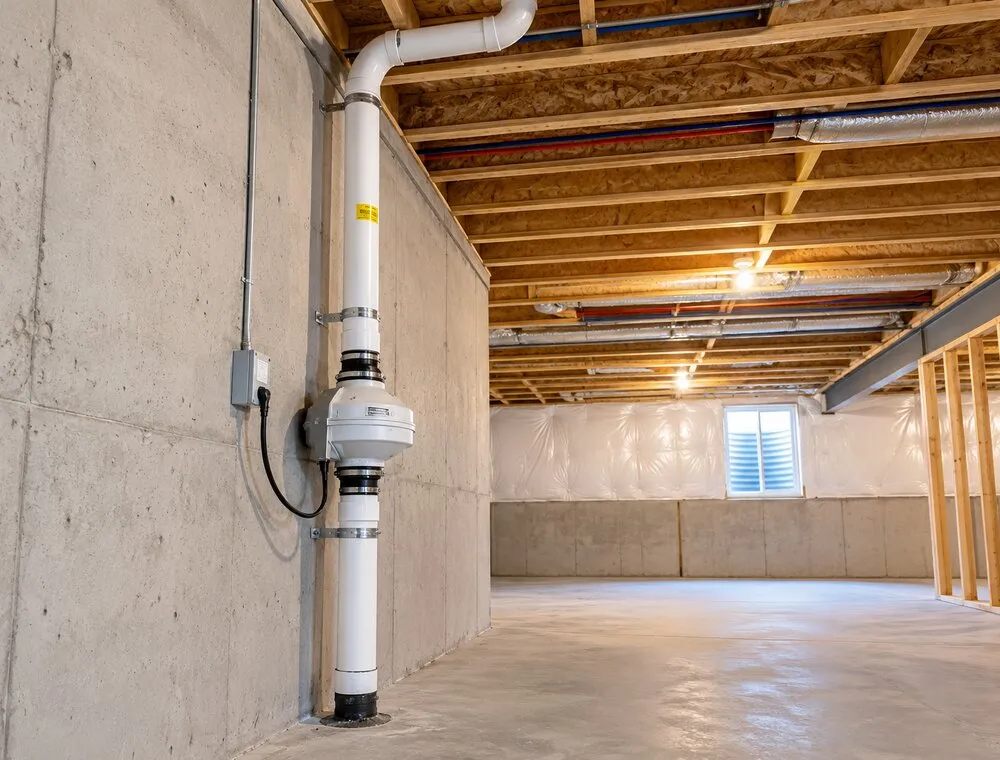
Because radon in water adds to the total indoor radon level, it increases the overall health risk. That is why the EPA and the Pennsylvania Department of Environmental Protection both recommend testing for radon in water if you have a private well. It is a straightforward step that can prevent long-term harm.
I have met families in York who were shocked to learn their children had been breathing elevated radon for years. They assumed that because the water tasted fine and looked clear, it was safe. Radon has no taste, no smell, and no color. You cannot detect it without a test. That is what makes it so insidious.
Making It Part of Your Home Maintenance Routine
Testing for radon in water is not a one-time event. Well water conditions can change over time as groundwater levels shift and the geology around the well evolves. I recommend retesting every two to three years, or whenever you notice a change in water quality. If you install a treatment system, test the treated water periodically to make sure the system is working.
For homeowners and renters in York County, understanding the connection between radon and groundwater in York is a form of empowerment. It gives you the information you need to make smart decisions about your home and your health. Whether you are buying a house, selling one, or just trying to keep your family safe, radon testing for both air and water should be part of your plan.
The geology of Pennsylvania does not change. The uranium in the granite bedrock will keep decaying, and radon will keep moving into the groundwater. But with proper testing and the right mitigation systems, you can control your exposure. That is the difference between living with a problem and solving it.